Inspirational journeys
Follow the stories of academics and their research expeditions
Why We Often Mistake Being Busy for Making Progress and How That Can Quietly Hold Back Our Personal Growth

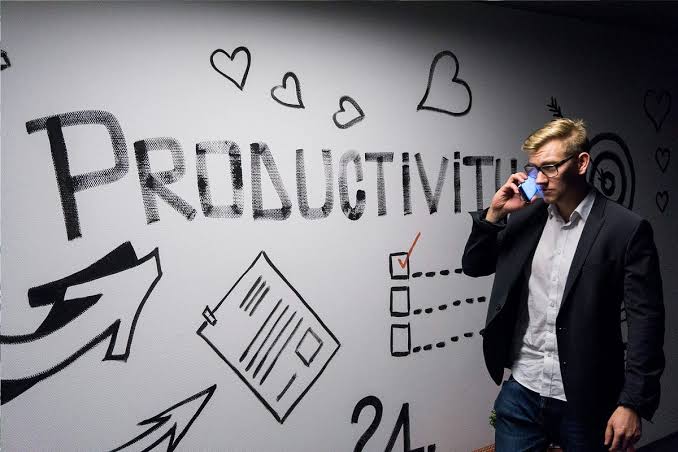
Being busy can feel like progress. Your calendar is full, emails keep arriving, meetings take up your time, and tasks continue disappearing from your list. But being occupied does not always mean you are moving toward your important goals.
You can spend hours organizing your work instead of doing it, research a career change without applying for jobs, or watch tutorials without practicing the skill. Busyness can easily become a comfortable way to avoid difficult work.
Why Busyness Feels Productive
Small tasks provide quick satisfaction. Answering an email, cleaning your inbox, or updating a document gives you an immediate sense of accomplishment. Meaningful goals usually take much longer.
Learning a skill, improving your career, building a portfolio, or changing a habit requires consistent effort before the results become visible.
Modern technology makes this problem worse. Messages, notifications, emails, and project-management tools constantly show activity. However, activity is not the same as meaningful progress.
Busyness Can Hide Procrastination
Procrastination does not always mean doing nothing. Sometimes it means doing easy tasks instead of important ones.
You may organize your workspace instead of writing, research courses instead of taking one, or answer messages instead of completing an important project.
Fear can also contribute. Applying for a job, submitting work, or starting something new creates the possibility of rejection or failure. Routine tasks feel safer.
When this happens, being busy can become a convenient excuse for avoiding uncomfortable action.
Multitasking Can Slow You Down
Multitasking may feel efficient, but constantly switching between emails, messages, meetings, and projects can reduce concentration.
Important work requires focused attention. Writing, studying, coding, learning, and problem-solving are easier when distractions are limited.
One focused hour can sometimes produce more meaningful results than several hours filled with interruptions.
Turning off unnecessary notifications, closing unrelated tabs, and protecting focused work time can make a significant difference.
Real Growth Can Be Quiet
Personal growth does not always provide immediate rewards.
You may practice the same skill repeatedly, rewrite the same paragraph, or study something difficult without seeing obvious improvement. Eventually, however, something changes. A task becomes easier, a concept becomes clearer, or a difficult situation becomes easier to handle.
That is real progress.
Growth also does not mean being productive every minute. Sometimes rest and recovery are necessary. People dealing with serious substance use concerns may need professional support rather than another productivity system. Structured substance use disorder treatment programs can provide support when productivity techniques are not enough.
How to Focus on Real Progress
Instead of asking, “How much did I do today?” ask, “What changed because of what I did?”
If your goal is career development, completing one portfolio project may matter more than reading dozens of articles. Sending a thoughtful application may be more valuable than endlessly browsing job boards.
Give important work your best attention before routine tasks consume your energy.
It is also important to recognize when productivity is not the real problem. Stress, grief, financial difficulties, family challenges, and substance use can affect motivation and concentration. In such situations, professional resources such as medical detox and residential treatment may address problems that scheduling cannot solve.
Conclusion
A busy day can look impressive, but constant activity does not guarantee meaningful progress.
The goal is not to eliminate emails, meetings, or everyday responsibilities. Instead, make room for work that genuinely moves your life forward.
Learn the skill. Complete the project. Submit the application. Have the conversation. Practice again.
Progress may feel slower than busyness, but it is the direction behind your actions that ultimately matters.


Leave a comment