
The Financial Preparation That Makes a Divorce Easier
Tue, 15 Sep 2026

Follow the stories of academics and their research expeditions
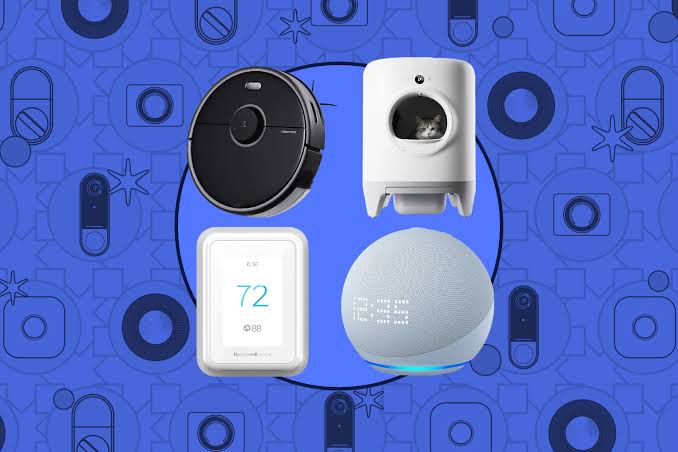
Smart home technology is often presented as an easy upgrade. Replace a traditional switch with a smart one, connect it to an app, and the job seems finished. For many plug-in products and some compatible switches, installation really can be that simple. However, not every home has electrical wiring that supports modern smart devices.
Problems usually appear when homeowners open an existing switch box and discover that an important wire is missing, the electrical box is too shallow, or the device requires more power than the existing circuit can provide. These situations do not necessarily mean that the home or smart product is defective. Instead, they often indicate that older electrical systems were designed for different requirements.
Knowing what your wiring needs before purchasing smart devices can prevent unnecessary returns, delays, and installation problems.
One of the most common problems with smart switches is the absence of a neutral wire.
A traditional light switch usually only interrupts the hot conductor supplying the fixture. Because the mechanical switch does not require continuous power, older wiring installations may not have included a neutral conductor inside the wall box.
Smart switches work differently. They contain electronic components, such as processors and wireless communication hardware, that generally need continuous power even when the light is turned off. Many smart switches therefore require a neutral connection.
Newer electrical installations commonly include neutrals at switch locations, but older homes may not. Homeowners should therefore verify the wiring before purchasing smart switches rather than assuming that a modern-looking electrical system contains everything required.
Some smart devices are specifically designed to operate without a neutral, although they can have additional compatibility requirements. Another option is having appropriate wiring installed, which is an electrical modification rather than a simple device replacement.
Not every smart home product requires electrical work.
Smart bulbs, plug-in sensors, battery-powered cameras, speakers, hubs, and other devices that simply connect to an existing outlet can generally be installed without modifying household wiring.
Hardwired products require more caution. Smart switches, dimmers, fan controllers, hardwired doorbells, ceiling fixtures, and panel-mounted equipment interact with electrical circuits. These installations can involve line voltage and should be handled appropriately.
A useful distinction is simple: a product that plugs into an existing outlet is usually much more straightforward than one that requires connecting electrical wires inside a wall or electrical panel.
Having a neutral wire does not automatically guarantee that a smart switch will work properly.
Lighting compatibility is another important consideration, particularly when using LED bulbs. Not every LED bulb is designed for dimming, and even bulbs labelled as dimmable may behave differently with different dimmers.
Compatibility problems can produce flickering, buzzing, reduced dimming ranges, or a faint glow when the light is supposedly switched off. Checking the manufacturer's compatibility information for both the smart dimmer and the intended bulbs can help prevent these issues.
Three-way and four-way lighting circuits also deserve attention. Smart control systems may require companion switches or specific wiring configurations when one light is controlled from multiple locations.
Physical space is another consideration. Smart switches can be considerably deeper than traditional mechanical switches. An older electrical box may not have enough room for the new device and its wiring. In such situations, replacing or modifying the box may be necessary.
Video doorbells have become a popular smart home upgrade, but older doorbell systems may not provide sufficient power.
Traditional doorbells commonly use a low-voltage transformer designed for a simple button and chime. A video doorbell can require continuous power for its camera, processor, and network connection, creating a higher electrical demand.
An undersized or aging transformer may result in intermittent problems rather than complete failure. The doorbell might repeatedly restart, disconnect from the network, or experience other performance issues.
Although the doorbell operates on low voltage, replacing its transformer involves work on the line-voltage side. That makes transformer replacement different from simply installing a plug-in smart device.
Smart cameras can use several different power arrangements.
Battery-operated cameras are generally easier to install because they do not require permanent wiring. Their disadvantage is the need for periodic charging or battery replacement.
Plug-in cameras require a suitable electrical outlet near the installation location. Outdoor locations may not already have convenient power, making installation more complicated.
Power-over-Ethernet cameras provide another option. They can receive power and network connectivity through an Ethernet cable, making them useful where consistent operation is important. However, running new cable can be significantly easier during construction or renovation than after walls and ceilings have been finished.
Some modern products operate directly at the electrical panel. These include smart panels and circuit-level energy monitoring equipment that can provide detailed information about household electricity consumption.
This information can be useful when planning larger electrical upgrades, such as an EV charger, solar installation, or other significant electrical loads. Instead of relying entirely on estimates, homeowners can gain a better understanding of how electricity is being used across different circuits.
However, panel-level equipment is not a typical DIY smart home project. Electrical panels contain serious hazards, and installation may require permits, inspections, and professional assessment.
Wireless devices offer flexibility and are often easier to install, but hardwired equipment can provide greater reliability.
A practical approach is to hardwire devices where dependable operation is particularly important and use wireless products where convenience matters more. Lighting controls are a good example because a properly installed smart switch can continue functioning as a normal physical switch even if automation features become unavailable.
Timing also matters. If walls are already open during a renovation, installing network cables or electrical infrastructure for future cameras, sensors, or other equipment can be much more affordable than retrofitting those connections later.
When line-voltage wiring is involved, working with a qualified professional is the safer approach. A skilled electrician at Golden Electrical Services provides smart home wiring services involving switches, lighting, cameras, doorbells, and smart panels, as well as residential and commercial electrical work, panel upgrades, EV charger installation, solar electrical services, and emergency support across Livermore, Pleasanton, Dublin, and San Ramon.
The best smart home installations are usually planned as a complete system rather than assembled one device at a time.
Before purchasing equipment, homeowners should consider which technology ecosystem they want to use, what functions they actually need, and where wireless coverage may be weak. Garages, outdoor areas, gates, and detached structures can create networking challenges that should be considered early.
It is also important to determine which devices should continue operating if the internet connection fails. Products with local control may remain functional on the home's network, while cloud-dependent equipment can lose functionality when the manufacturer's service is unavailable.
For important functions such as doors, gates, lighting, or critical electrical circuits, local control can be an important consideration.
Several mistakes appear repeatedly in smart home installations.
Homeowners may purchase switches before checking for a neutral wire, pair incompatible LED bulbs with smart dimmers, overlook the power requirements of a video doorbell, or discover that a smart switch is too large for an existing electrical box.
Another common issue is selecting products from different ecosystems without confirming whether they can work together.
Older homes can present additional challenges. If aluminium branch-circuit wiring is discovered, homeowners should not automatically install standard devices. Specialized products and installation methods may be required, so professional advice is appropriate.
Determining the wiring configuration may require opening the electrical box. If you are not experienced with electrical work, having a qualified professional inspect it is the safer option. The appearance of white conductors can provide clues, but wire color alone should not be treated as definitive proof of how a circuit is configured.
Some models are specifically designed for installations without a neutral conductor. However, these products can have particular requirements, especially with LED lighting. Checking the manufacturer's installation requirements before purchasing is important.
Flickering can result from incompatibility between the dimmer and the LED bulbs or from the electrical load being below the dimmer's required minimum. Using components that are confirmed to be compatible can help avoid these problems.
An older or undersized transformer may not provide enough power for a continuously operating video doorbell. Checking the transformer's specifications against the doorbell's requirements can help identify the issue.
Panel-level equipment involves electrical hazards and may require permits and inspection. It should generally be evaluated and installed by a qualified electrician rather than treated like a plug-in smart home accessory.
That depends on the individual product. Some devices support local control and can continue operating through the local network, while others depend heavily on cloud services. Checking this feature before purchasing is especially important for devices controlling important household functions.
Smart home technology can make a home more convenient, but successful installation depends partly on the electrical system already in place. Checking for neutral wires, confirming dimmer and bulb compatibility, evaluating doorbell power requirements, and considering the physical size of smart devices can prevent many common problems.
Planning the electrical and networking infrastructure during a renovation is particularly valuable because adding wiring while walls are open is generally easier than retrofitting it later. With the right preparation and professional help where line-voltage work is involved, smart home technology can become a reliable part of the home's electrical system rather than an ongoing source of installation problems.
Tue, 15 Sep 2026
Tue, 15 Sep 2026
Tue, 15 Sep 2026

Start learning with Acadomi! Explore thousands of affordable courses on any topic, anytime, and anywhere. Join our community and unlock your potential today!
Leave a comment