
The Financial Preparation That Makes a Divorce Easier
Tue, 15 Sep 2026

Follow the stories of academics and their research expeditions
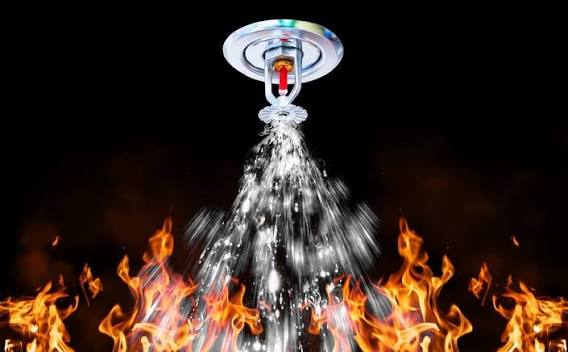
Opening a restaurant involves dozens of moving parts. Lease dates, construction schedules, kitchen equipment, staff recruitment, supplier arrangements, and opening promotions all need to come together at the right time. Among these responsibilities, fire protection is particularly important because it can directly affect whether a restaurant is permitted to open.
The process is not simply a matter of installing equipment and requesting an inspection at the end. Fire protection follows a sequence that usually begins during the kitchen design stage and continues through plan review, installation, testing, inspection, and final approval. Understanding that sequence early can help restaurant owners avoid expensive changes and unexpected opening delays.
When a restaurant moves into a space that previously operated as a food-service business, existing fire protection equipment should never be accepted without inspection. A hood suppression system may appear usable while still being outdated, improperly configured, or affected by unresolved deficiencies.
Before committing to a lease, owners should determine when the suppression system was installed, when it was last inspected, whether previous inspection reports identified deficiencies, and whether the equipment can accommodate the planned kitchen.
The hood and exhaust system also deserve attention. The existing hood may have been designed for a different appliance arrangement. Exhaust fans, makeup air systems, gas shutoffs, and electrical interlocks should also be checked.
Having a qualified contractor evaluate these systems before signing a lease can reveal major problems early. Discovering that an entire suppression system needs replacement before signing is far easier to address than discovering the issue after construction has started.
The restaurant menu has a direct relationship with fire protection. Suppression systems are designed according to the appliances beneath the hood, their locations, and the hazards created by their cooking methods.
For example, adding a charbroiler to a kitchen originally designed around fryers and a griddle can affect suppression coverage. Moving appliances can also change nozzle positioning and protected areas. Even replacing one appliance with another may require the system design to be reviewed.
This is why the kitchen equipment list should be settled as early as possible. Constant changes during installation can lead to redesigns, additional work, and schedule problems.
One of the most important steps is obtaining the necessary plan approval before installation begins. Depending on the jurisdiction, submitted documents may include the kitchen layout, appliance locations, hood and exhaust information, suppression system design, nozzle placement, and details for gas and electrical interlocks.
Requirements differ between jurisdictions, and some projects may involve more than one authority. Plan review can also result in requested corrections, so assuming that approval will happen immediately is risky.
Installing a system before the design has received the required approval can create unnecessary costs. If the approved design differs from the installed system, components may need to be relocated or modified.
Restaurant owners should understand that several different fire and life-safety requirements may apply to the premises.
Treating all these requirements as one general “fire” task can easily result in something being overlooked.
Final inspection is one of the most important points in the opening schedule. Several common problems can cause an otherwise completed restaurant to fail inspection.
Examples include an uninspected suppression system, disconnected fuel shutoffs, equipment positioned differently from approved plans, blocked manual pull stations, missing extinguishers, untested emergency lighting, and storage obstructing exit routes.
A pre-inspection walkthrough can identify these issues before the official inspection. Ideally, the restaurant team should compare the completed kitchen with the approved drawings and the contractor's requirements.
This simple review can save significant time because a failed inspection usually means waiting for corrections and a reinspection. The reinspection schedule may not match the restaurant's preferred opening date.
A practical way to manage the process is to work backward from the planned opening date.
Final approval requires inspection. Inspection requires completed and tested systems. Installation requires approved plans and available equipment. Design requires a settled kitchen layout and equipment list. The equipment list is influenced by the planned menu.
Each stage takes time, and some parts are outside the restaurant owner's control. Authorities control review and inspection schedules, contractors have their own availability, and equipment suppliers may have changing lead times.
Bringing a fire protection contractor into the project while the kitchen is still being designed is therefore a much safer approach than waiting until construction is almost complete. Kitchen fire suppression is among the services provided by Crimson Fire Protection for restaurants and commercial kitchens in Casper and throughout Wyoming, alongside services such as fire extinguisher sales and service, industrial suppression, Ansul service, emergency exit lighting, and backflow testing.
Receiving approval does not mean fire protection responsibilities end. Restaurants need ongoing inspection, maintenance, testing, and cleaning programs after opening.
Suppression systems require professional inspections at applicable intervals. Portable extinguishers need routine visual checks and professional servicing. Emergency lighting has separate testing requirements, while hood and duct cleaning follows its own schedule based on the type and volume of cooking.
Establishing these recurring tasks before or shortly after opening helps prevent missed inspections and maintenance problems later.
Sometimes. Its condition, age, design, inspection history, and compatibility with the new kitchen equipment all need to be evaluated. A system designed for a previous restaurant may not provide suitable coverage for the new equipment arrangement.
Ideally, during the kitchen design stage. Early involvement allows the suppression system to be designed around the actual equipment instead of forcing changes after construction.
Changes involving cooking equipment or cooking methods may affect the fire protection design. Before adding, removing, or relocating appliances, the suppression contractor should be consulted to determine whether coverage needs to be reassessed.
Responsibility depends on the lease agreement. Owners and tenants should clearly establish who is responsible for existing hood systems, replacement work, maintenance, and upgrades before signing the lease.
Potential requirements depend on the applicable code and occupancy. Natural daylight does not automatically eliminate emergency lighting requirements because emergency systems are intended to provide illumination when normal power or lighting is unavailable.
There is no universal timeframe. The schedule depends on the jurisdiction, project scope, contractor availability, equipment lead times, plan review, and inspection scheduling. Because several of these factors cannot be controlled by the restaurant owner, starting early is essential.
Fire protection should be treated as part of restaurant planning rather than a final construction task. The basic sequence is straightforward: establish the menu, finalize kitchen equipment, develop the fire protection design, obtain required approval, install the system, complete testing and inspection, and receive final sign-off.
Starting this process while the kitchen is still on paper gives restaurant owners more flexibility and reduces the chance of costly last-minute changes. Once the restaurant opens, regular inspections, maintenance, testing, and cleaning become part of the ongoing responsibility. Planning both stages early can help keep fire protection from becoming the reason an opening date slips.
Tue, 15 Sep 2026
Tue, 15 Sep 2026
Tue, 15 Sep 2026
Start learning with Acadomi! Explore thousands of affordable courses on any topic, anytime, and anywhere. Join our community and unlock your potential today!
Leave a comment